 Schedule Appointment
Can a Tooth Rot Under a Crown?
Yes — a Tooth Can Decay Under a Crown
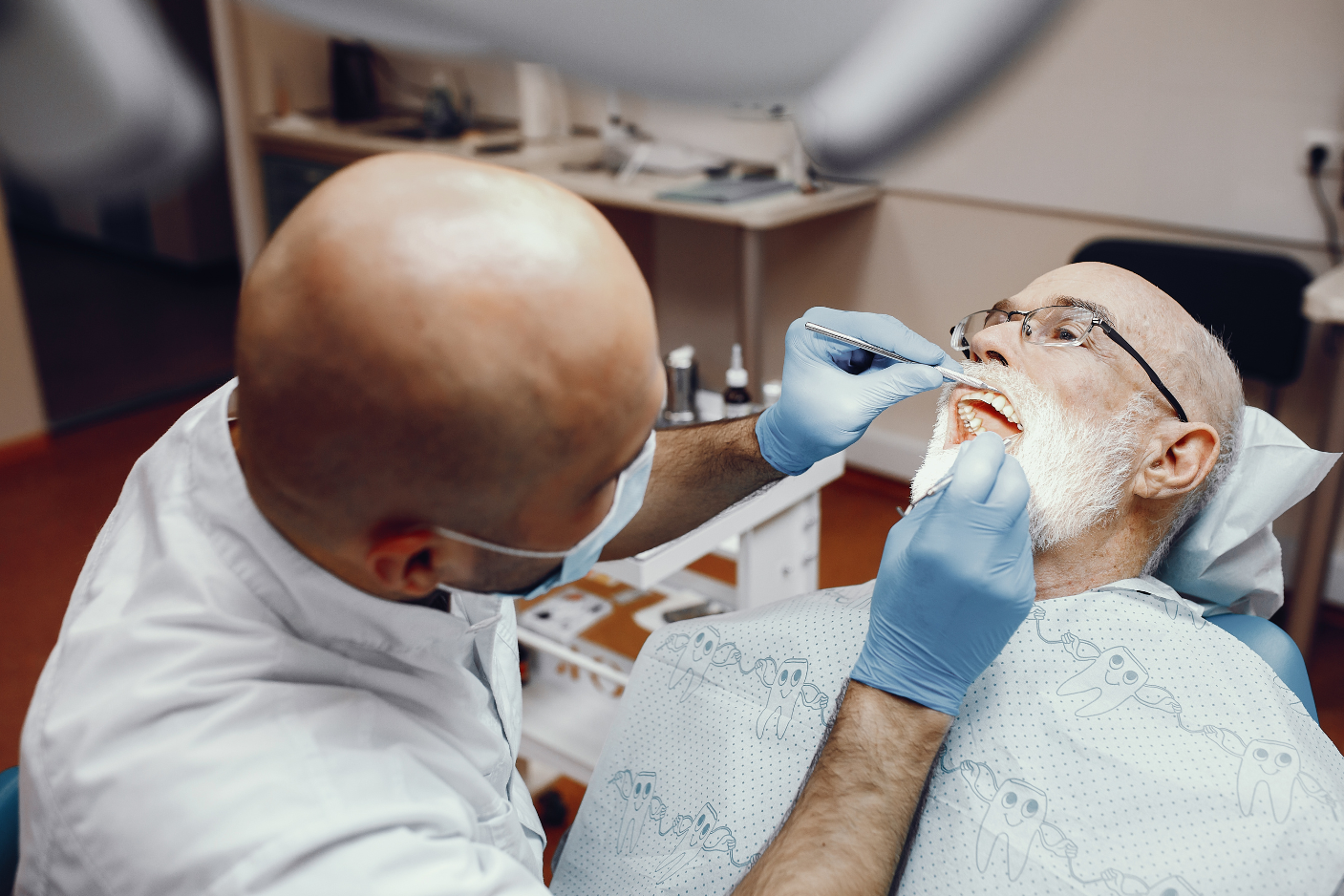
A dental crown is one of the most durable restorations in dentistry — but it does not make the tooth underneath it immune to decay. The crown itself cannot rot, but the natural tooth structure beneath it absolutely can. Understanding how it happens, what to watch for, and how it is treated can save you from a much bigger problem down the road.
At Art of Modern Dentistry, with offices in Lincoln Park and the South Loop, the team diagnoses hidden crown decay regularly — often in patients who had no idea anything was wrong. Here is what you need to know.
How Decay Gets Under a Crown
A crown covers the visible portion of the tooth and is bonded to it with dental cement, creating a seal designed to keep bacteria out. The most vulnerable spot is the margin — the edge where the crown meets the gum line and natural tooth. Even a perfectly fitted crown develops microscopic wear over time, and if plaque is not consistently removed from that margin, bacteria produce acids that attack the tooth structure just below it.
Once bacteria get past the margin, the crown actually shields them from your toothbrush — allowing decay to spread in the hidden space underneath. An old crown whose cement seal has weakened creates the same entry point. This is why regular dental checkups remain essential even after a crown is placed.
Warning Signs to Watch For
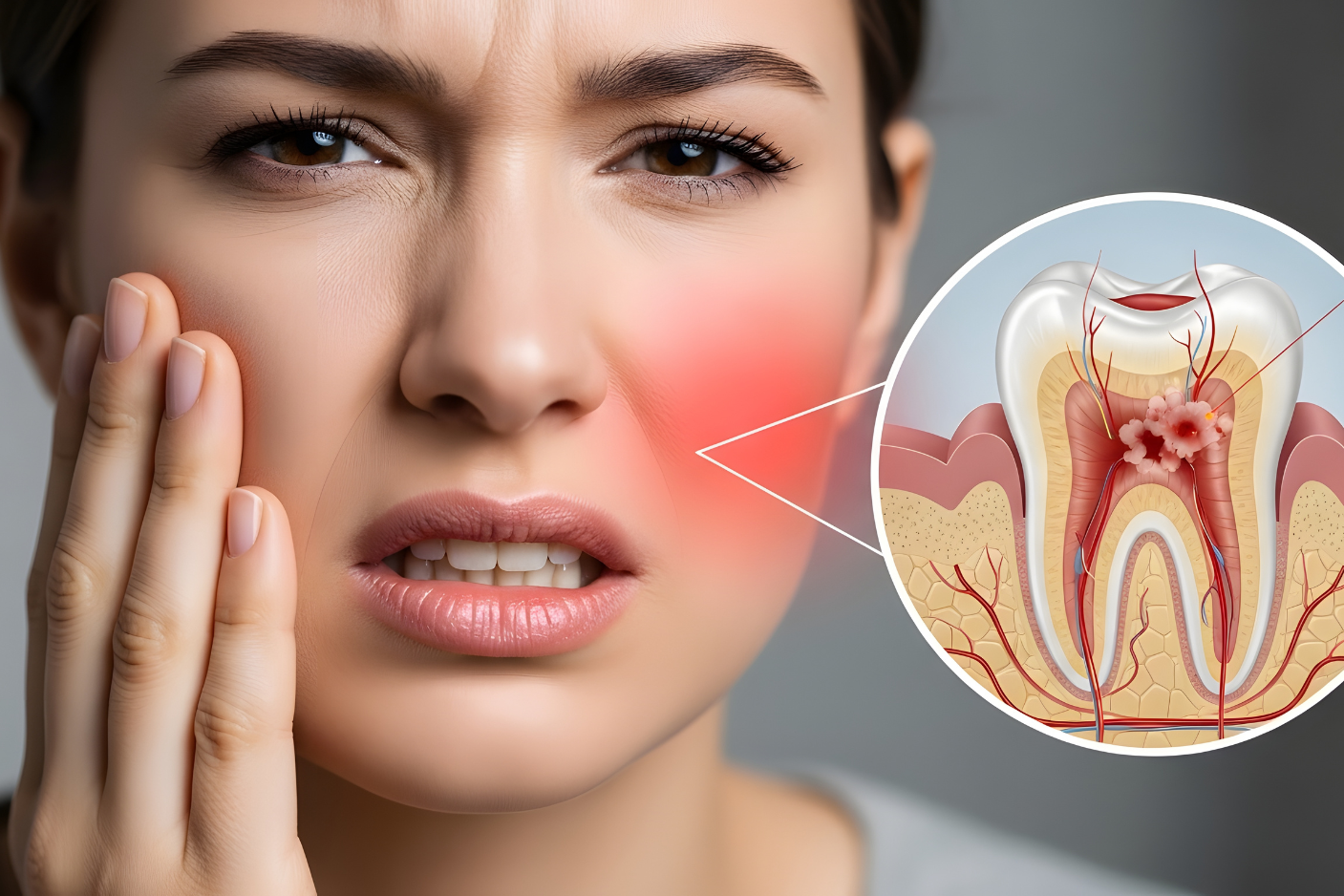
Because the decay is hidden beneath the crown, it often does not cause obvious symptoms until it is well advanced. Pay close attention to these signals:
- New or increasing sensitivity to hot, cold, or sweet foods around a crowned tooth
- Pain or pressure when biting down on the crowned tooth
- Gum redness, swelling, or tenderness at the base of the crown
- A persistent bad taste or odor coming from that area
- A crown that feels loose, shifts, or moves when you chew
- Visible darkening at the gum line around the crown
None of these symptoms confirms decay on their own, but any of them warrants a dental exam. The earlier decay under a crown is caught, the more treatment options remain available.
How Dentists Detect It
Hidden decay under a crown cannot be spotted in a mirror. At Art of Modern Dentistry, the team uses digital X-rays and, when needed, advanced 3D cone-beam imaging to look at the roots and margins of crowned teeth — identifying dark shadows that indicate decay in the tooth structure beneath. A clinical exam checks for sensitivity, gum health, and crown stability. Together these tools build a clear picture of what is happening inside.
Treatment Options
What happens next depends entirely on how much healthy tooth structure remains after the decay is removed:
- Crown removal and new crownIn almost all cases the existing crown must be removed to fully access the decay. The dentist cleans out all infected tissue, rebuilds the tooth with a filling if needed, and fabricates a new crown. If the decay is caught early, this is the most common and straightforward outcome.
- Root canal therapyIf decay has reached the tooth’s pulp — where the nerves and blood vessels live — a root canal is performed before the new crown is placed. This removes the infected tissue, seals the canals, and saves the tooth from extraction.
- Crown lengtheningIf decay extends below the gum line, a minor procedure exposes more of the tooth structure to give the new crown a stable foundation.
- Extraction and replacementIn severe cases where the tooth cannot support a new restoration, extraction is the only option. Art of Modern Dentistry can then discuss dental implant or bridge replacement at the same consultation.
How to Protect Crowned Teeth
- Brush the margin every timeAngle your brush toward the gum line around the crown. The margin is where plaque does its damage — that is where your brush needs to reach.
- Floss daily around the crownStandard floss, a water flosser, or an interdental brush all work. The goal is removing plaque from the tight space where the crown meets the tooth and gum.
- Use fluoride toothpasteFluoride strengthens the natural tooth structure at the margin and adds a layer of protection against the acids bacteria produce.
- Limit sugar and acidic foodsThese feed the bacteria that cause decay. Rinsing with water after meals helps neutralize acids before they attack the tooth.
- Keep your regular checkupsA professional cleaning removes the hardened tartar that brushing cannot reach, and an X-ray can catch early decay before it becomes a root canal or extraction.
With good oral hygiene and regular checkups, crowns typically last 10 to 15 years — and often longer. Metal and zirconia crowns tend to outlast porcelain. Signs it may be time to replace a crown include sensitivity, a loose fit, visible cracks, or gum recession exposing the margin.
Frequently Asked Questions
Can a tooth really decay under a crown?
How do I know if my tooth is decaying under a crown?
Do dentists always have to remove the crown to treat the decay?
Does teeth decay under a crown mean I need a root canal?
How can I prevent decay under my crown?
Crown Concerns in Chicago? We Can Take a Look
If you are noticing sensitivity, discomfort, or any change around a crowned tooth, do not wait. Art of Modern Dentistry offers same-day appointments at Lincoln Park and South Loop.