 Schedule Appointment
Dry Mouth Causes: Acid Reflux, Allergies, Smoking, & More
Do you constantly feel like your mouth is dry, sticky, or uncomfortable no matter how much water you drink? You’re not alone. Dry mouth is a common oral health condition that affects approximately 1 in 5 people. It occurs when the salivary glands don’t produce enough saliva to keep your mouth properly hydrated.
Dry mouth isn’t just uncomfortable, it can also lead to bad breath, cavities, gum disease, and trouble tasting or swallowing food. If you’ve been wondering whether smoking, allergies, acid reflux, the common cold, or even medication could be to blame, the answer is: Yes, they can all contribute.
The good news? Dry mouth can often be managed or even prevented with the right care and lifestyle changes. In this post, we’ll walk you through the most common causes of dry mouth and the most effective ways to treat it.
What Does Xerostomia Mean?
Xerostomia is a medical term for dry mouth. This condition can lead to difficulty speaking, chewing, swallowing, a sore throat, and harm your teeth and gum health.
Why Is Dry Mouth a Dental Health Concern?
Saliva plays an important role in oral health by fighting against tooth decay and gum disease. It does this by:
- Washing away food particles and bacteria
- Neutralizing acid caused by bacteria
- Aiding in the digestion of food
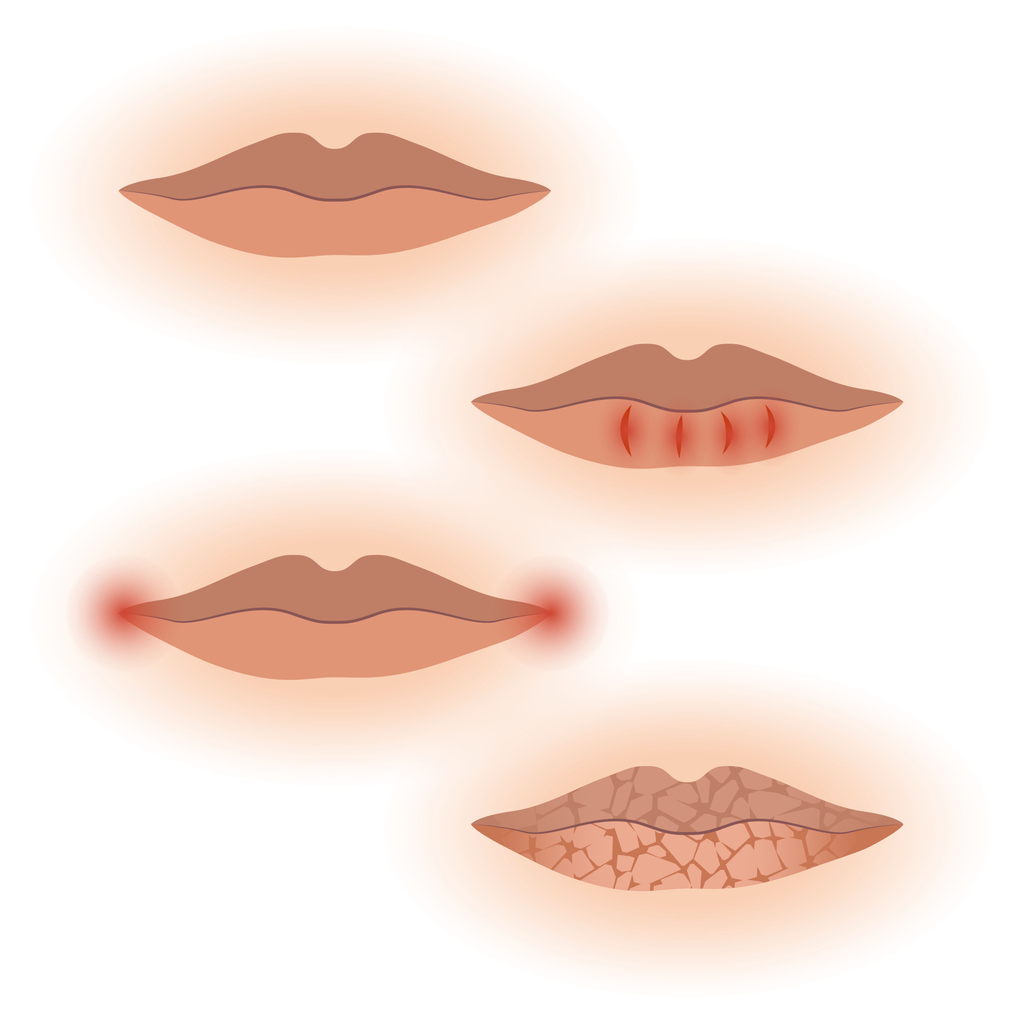
When you don’t produce enough saliva, you may experience symptoms like:
- Cracked corners of the mouth
- Chapped or split lips
- A burning or dry feeling in the mouth or throat
- Mouth sores or oral yeast infections (thrush)
- Bad breath
- A dry, rough, or red tongue (sometimes with grooves)
When your mouth is chronically dry, you’re also more vulnerable to tooth decay and gum disease. Continue reading to learn about common causes of dry mouth and how to address them.
Common Causes of Dry Mouth
Xerostomia can be triggered by many different things— from lifestyle habits to underlying health conditions.
Alcohol, Tobacco, and Recreational Drug Use
Substances like alcohol, tobacco, and marijuana can reduce saliva production and irritate the tissues in your mouth. These habits worsen dry mouth symptoms over time. In particular, smoking causes dry mouth by affecting the salivary glands and increasing mouth breathing. Caffeine can also contribute to dry mouth symptoms.
Cancer Therapy
Chemotherapy and radiation therapy, especially treatments targeting the head or neck, can damage salivary glands. Dry mouth due to cancer treatment may improve over time, but in some cases, the damage is long-lasting or permanent.
Health Conditions
Numerous health conditions are linked to dry mouth. Examples include:
- Alzheimer’s disease
- Diabetes
- Stroke
- Sleep apnea or snoring (mouth breathing while sleeping)
- Sjögren’s syndrome (an autoimmune disorder)
Can acid reflux cause dry mouth?
Yes, chronic acid reflux, or GERD, can lead to dry mouth, especially at night. The refluxed acid can irritate the throat and decrease salivary flow.
Can allergies cause dry mouth?
Yes, both seasonal allergies and medications used to treat them can dry out the mouth and nasal passages.
Can the common cold cause dry mouth?
Yes, cold symptoms like nasal congestion often lead to mouth breathing, which dries out the oral cavity. Decongestants can also reduce saliva production.
Medications
Many prescription and over-the-counter medications cause dry mouth as a side effect. Some common culprits include:
- Allergy and cold medicines (like antihistamines)
- Antidepressants
- High blood pressure medications
- Antibiotics
- Opioid pain medications
- Steroids
- Sedatives
- Cancer drugs
If you’re worried about a medication you’re taking affecting your oral health, speak with your doctor. There may be alternative options or remedies available to manage side effects.
Dehydration
Lack of sufficient fluids from illness, blood loss, diarrhea, sweating, or simply not drinking enough water often causes dry mouth.
Mouth Breathing
Breathing through the mouth, sometimes as a result of obstructive sleep apnea or congestion, dries out the oral cavity.
Dentures
Do dentures cause dry mouth? No, dentures themselves do not cause dry mouth. However, they can worsen symptoms if dry mouth is already present.
When saliva production is low, dentures can cause friction and irritation against the gums, leading to soreness, discomfort, and even infections. Dry mouth can also make it harder for dentures to adhere properly.
How To Treat Dry Mouth
Treatment for dry mouth depends on the cause. In some cases, your doctor or dentist may:
- Adjust or change medications causing dry mouth
- Recommend lifestyle changes, such as quitting smoking or reducing alcohol and caffeine intake
- Advise you to maintain your oral hygiene and schedule regular dental check-ups
- Suggest products that stimulate saliva production
- Suggest treatments to reduce allergy symptoms
- Provide supportive treatments to address mouth breathing
- Recommend prescription saliva stimulants (in severe cases)
Tips To Relieve Dry Mouth at Home
- Drink plenty of water throughout the day
- Use a humidifier, especially while sleeping
- Avoid caffeine, alcohol, and tobacco
- Avoid using mouthwashes that contain alcohol
- Stop taking over-the-counter antihistamines and decongestants
- Chew sugar-free gum or mints to trigger saliva production
- Try dry mouth products like moisturizing mouth sprays, oral rinses, or xylitol-based lozenges
Important: Many dry mouth products contain xylitol, which is toxic to pets. Always keep these items away from animals and small children.
Talk To Your Dentist About Dry Mouth Symptoms
If you’re experiencing frequent dry mouth, don’t ignore it. It may be a sign of a larger health issue, or it could put your dental health at risk. At Art of Modern Dentistry, we can help identify the cause and create a personalized treatment plan.
Contact us to schedule an appointment to learn more about your options for dry mouth treatment in Chicago. We use the latest in dental technology to offer comprehensive care, as well as same-day appointments. Our team will help you protect your teeth and improve your comfort.